Number sense is one of the most important foundational math skills young learners develop — and one of the hardest to teach with worksheets alone.
Sensory bins provide a hands-on, meaningful way for children to explore numbers through play. When students can touch, count, scoop, and move objects, numbers become real and understandable.
What Is Number Sense?
Number sense goes beyond simply counting. It includes:
Recognizing numbers Understanding quantities One-to-one correspondence Comparing amounts (more and less) Connecting numbers to real objects
These skills develop best when children are actively engaged and learning through play.
Why Sensory Bins Work for Math
Sensory bins support number sense because they:
Encourage hands-on exploration Make abstract concepts concrete Support fine motor development Reduce pressure and anxiety around math Increase engagement and focus
When learning feels like play, children are more willing to participate and try.
How to Use Sensory Bins to Teach Number Sense
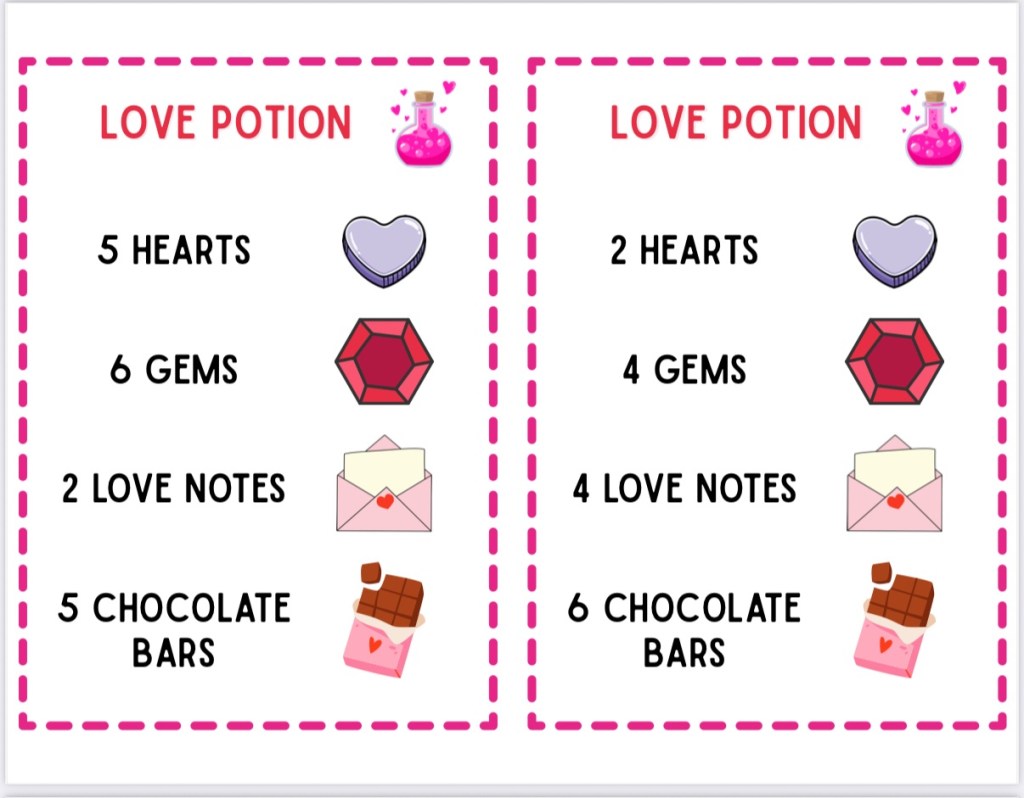
1️⃣ Use Simple Number Cards
Start with a small number range (1–5 or 1–10, depending on age).
Number cards give students a clear visual reference and keep the activity focused.
2️⃣ Add a Counting Material
Choose materials students can easily manipulate, such as:
Pom-poms Gems Mini erasers Beads Beans or rice Paper cutouts
Students should be able to move each item one at a time while counting.
3️⃣ Practice One-to-One Correspondence
Encourage children to:
Touch each item as they count Place objects one at a time Say numbers aloud
This helps reinforce that each number represents a specific quantity.
4️⃣ Add a Theme to Boost Engagement
Themes make learning more exciting without changing the skill.
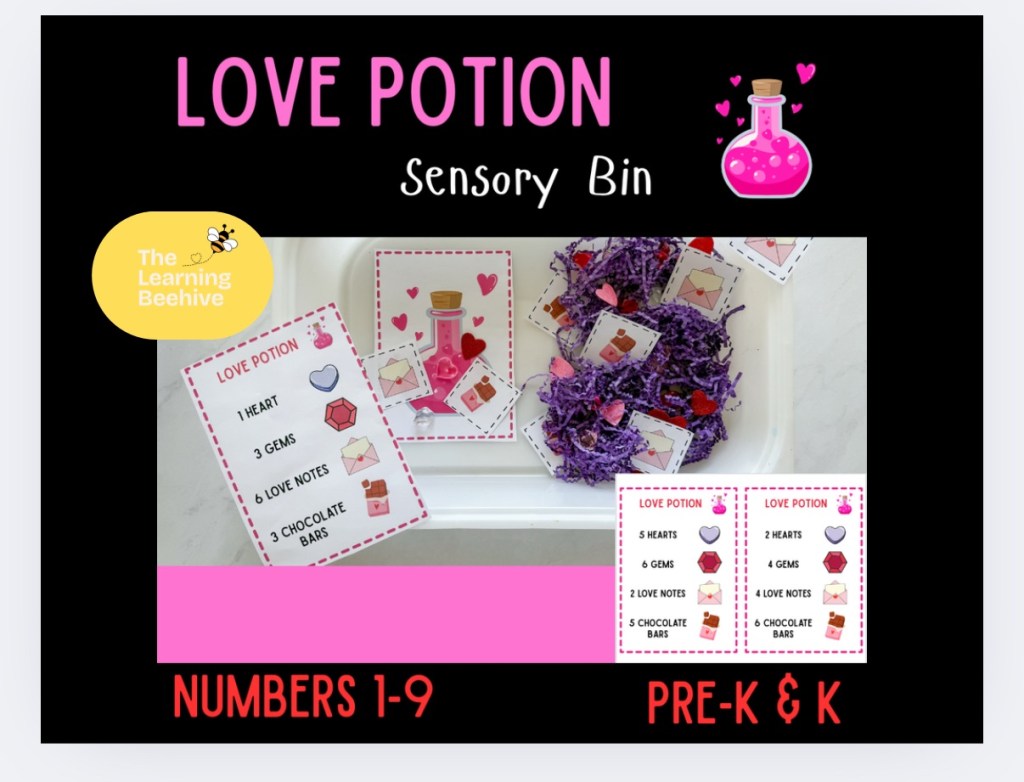
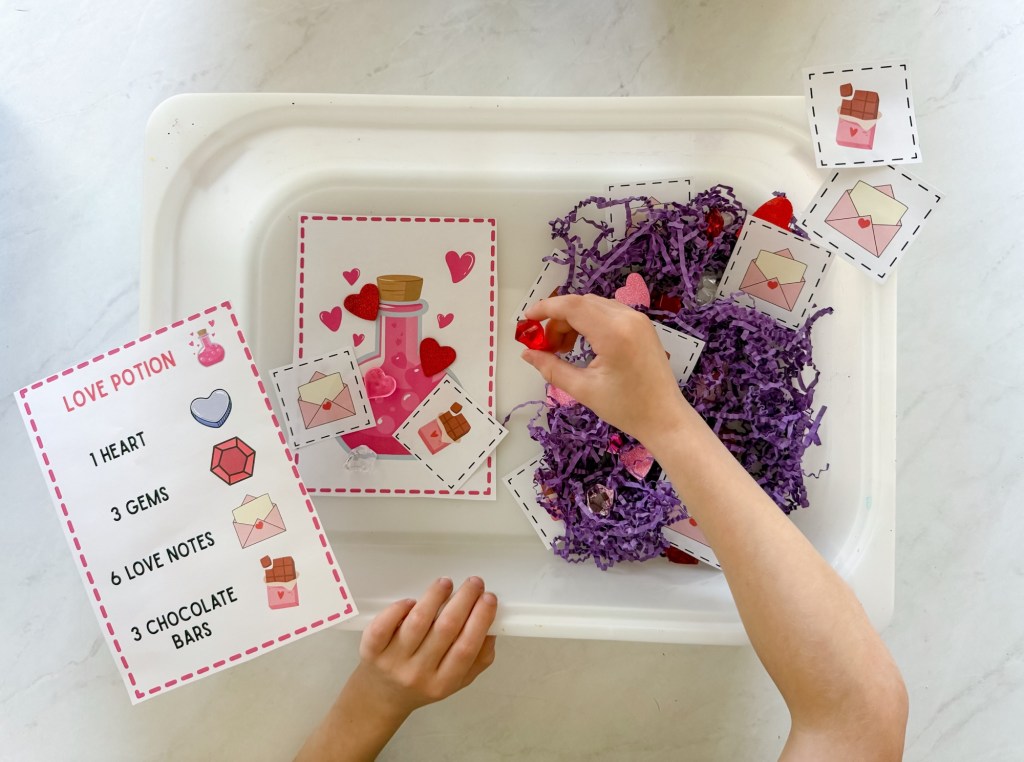
One favorite is a Love Potion Sensory Bin:
Students choose a number card Count matching ingredients Add items to their “potion” Stir and recount to check their work
The math stays the same — the theme makes it fun.
5️⃣ Differentiate Easily
Sensory bins are naturally flexible:
Use fewer numbers for beginners Increase numbers for advanced learners Model counting together Allow independent or partner work
This makes them ideal for classrooms, small groups, and homeschool settings.
Teacher Tips for Success
✔ Keep numbers visible
✔ Limit materials to avoid overwhelm
✔ Model counting first
✔ Encourage verbal counting
✔ Laminate materials for reuse
Remember, the goal is understanding — not speed.
Who Sensory Bins Are Great For
Preschool Pre-K Kindergarten Early intervention Special education Homeschool learning
Want a Ready-to-Use Sensory Bin?
Printable sensory bin activities make prep simple and stress-free. Print, laminate, and reuse all year long — no extra materials required.
 Hi, I’m Christine, the heart behind The Learning Beehive.<br>I’m a certified teacher with 10 years of classroom experience, teaching 1st–3rd grade and special education. Over the years, I’ve seen how powerful hands-on, meaningful learning can be, especially for children who learn differently or need extra support.<br>During the winter months, I’m home learning alongside my two children, Beckett and Mila. My son has a rare disease, which means we’re especially mindful during cold and flu season. Being home during this time has deepened my passion for creating low-prep, flexible learning activities that work in classrooms, homeschool settings, and small groups alike.<br>The Learning Beehive was created to share play-based literacy and math resources, sensory activities, and seasonal learning ideas that support early learners with care and intention. Everything here is designed to be approachable, engaging, and adaptable—because every child deserves to feel confident and capable.<br>Whether you’re a classroom teacher, homeschool parent, or support little learners in a different way, I’m so glad you’re here.<br>Welcome to the hive 💛